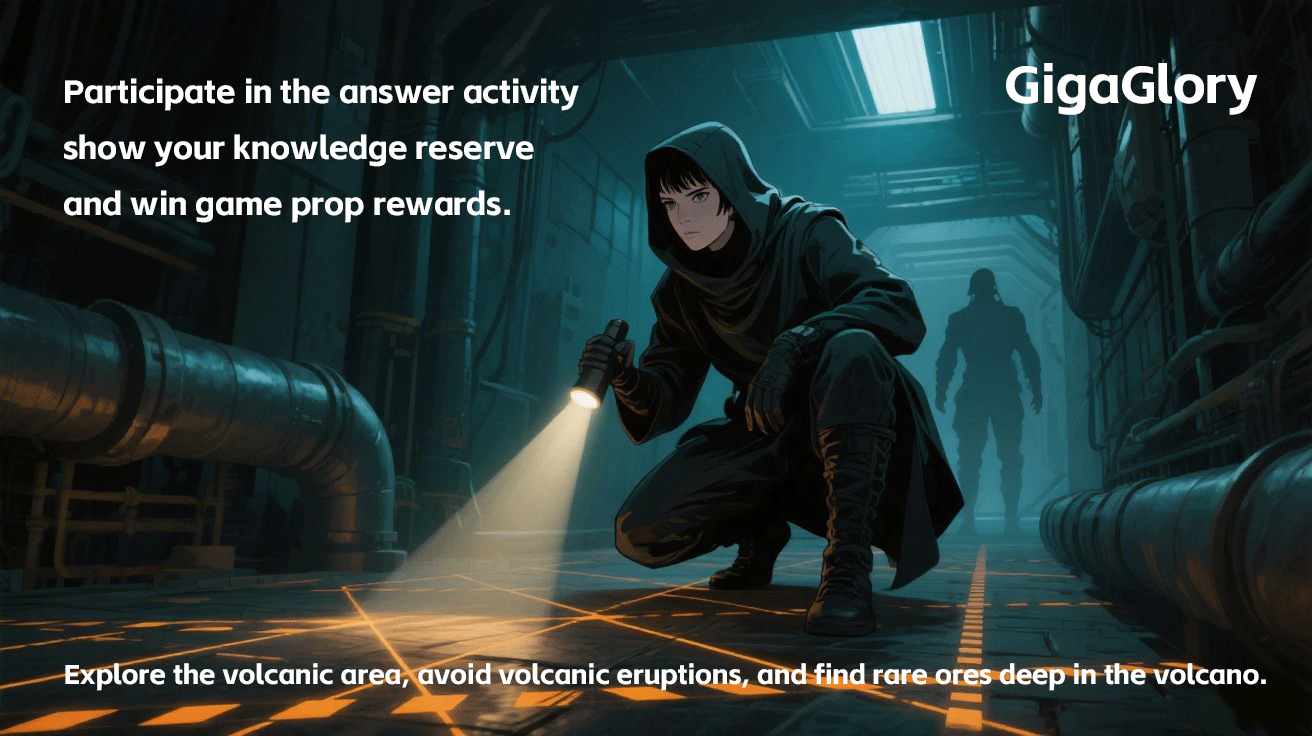
Exploring the Evolution of RPG Games: From Classic Adventures to Modern Simulation Games
Role-playing games (RPGs) have journeyed through various phases, transforming from simple text-based adventures to intricate simulations that immerse players in detailed worlds. This article provides a look into this evolution, focusing on both classic and modern RPG designs, alongside insights into the rise of simulation games.
From Classic Adventures to Role-playing Marvels
In the early days, RPG games were largely text-driven, with players imagining their characters' adventures through paragraphs of description. Titles like "Dungeons & Dragons" set the groundwork, allowing players to create unique characters, stories, and outcomes. As technology progressed, the genre shifted toward graphical representations. Here’s a quick look at the timeline:
| Year | Game Title | Highlights |
|---|---|---|
| 1981 | Wizardry | One of the first graphical RPGs. |
| 1995 | Chrono Trigger | Pioneered time travel themes in storytelling. |
| 2002 | The Elder Scrolls III: Morrowind | Open-world exploration became a norm. |
| 2015 | The Witcher 3: Wild Hunt | Large-scale worlds with complex quests and narratives. |
The Rise of Simulation Games
Today, RPGs often incorporate simulation elements, a trend that's reshaping the landscape. Games like “EA Sports FC Demo” reflect this shift, blending sports with role-playing mechanics. Players not only play games but also manage teams, strategize tactics, and customize experiences. Here are some key features that define modern simulation RPGs:
- Realism: Detailed graphics and physics engines enhance immersion.
- Customization: Players can alter characters and environments to fit their narratives.
- Community Interaction: Multiplayer elements allow for real-time collaboration and competition.
- Diverse Objectives: Beyond combat, player goals include economic management and relationship building.
Delta Force Breach Specialist: A Case Study
To further illustrate the evolution of RPG games, let’s consider a specific title like “Delta Force: Breach Specialist.” It stands out not just for its tactical approach but also for how it integrates role-playing elements into a military simulation format. Players are tasked with intricate missions where decision-making and strategy are paramount, showcasing a blend of RPG and simulation dynamics. The incorporation of real-world tactical elements exemplifies how modern games can bridge genres.
Conclusion
The evolution of RPG games is a testament to the creativity and technology in the gaming industry. From the early days of text and imagination to the rich and immersive simulations we experience now, RPGs continue to captivate players. As the boundaries between genres blur, we can expect even more innovative gameplay mechanics in the future. This journey not only showcases gaming’s history but also its potential for ongoing development.